



Customers may forget the details of a marketing campaign, the specifications of a product, or even the exact price they paid. What they rarely forget is how a brand made them feel.
Customers today evaluate brands based on every interaction with the best experience they've ever had - whether that's Amazon's delivery, Apple's onboarding, or Netflix's personalization. Brand experience has become the new competitive advantage.
Take a moment and think about the brands you return to most often. It may be because their website is easy to navigate, their customer support resolves issues quickly, their products consistently meet expectations, or every interaction simply feels effortless.
In today’s market situations, products and services are easier to replicate than ever. The experience a business creates, however, is much harder to imitate because it is shaped by interactions and value alignment that customers have with the brand over time.
In this guide, we'll explore what brand experience is, why it matters, the elements that shape it, how successful companies design memorable experiences, and how CRM platforms and AI help deliver consistent experiences at scale.
What is brand experience?
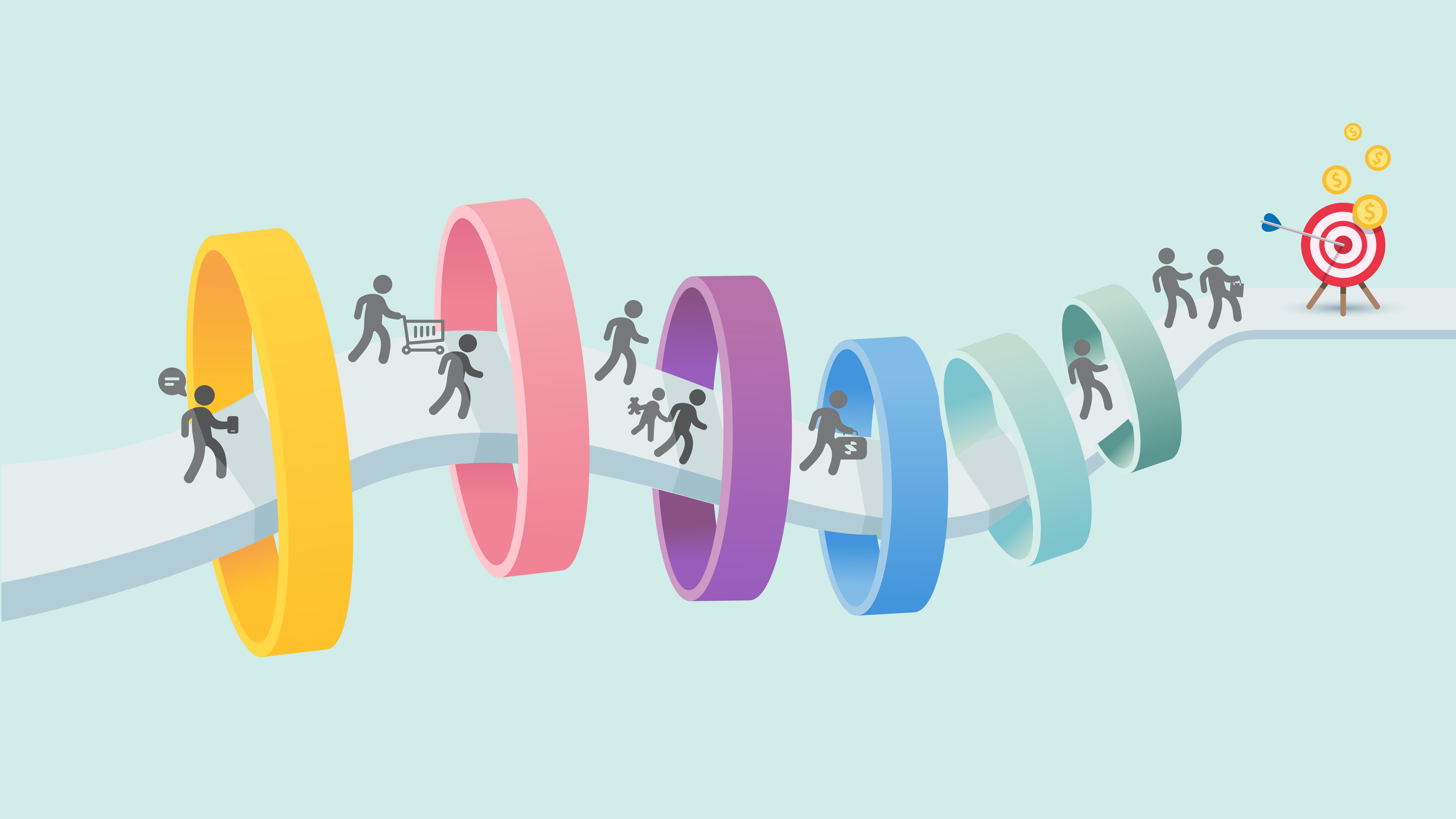
Brand experience is the overall perception customers develop through every interaction they have with a company before, during, and after making a purchase. It encompasses the thoughts, emotions, and memories formed as customers engage with a brand across physical, digital, and human touchpoints.
It encompasses all touchpoints, including digital marketing, advertising, social media, product quality, customer service, etc.
For example, a software company may position itself as innovative and customer-centric. If its website is intuitive, its sales representatives understand customer challenges, onboarding is seamless, and support teams resolve issues quickly, customers are likely to associate the brand with reliability and innovation. On the other hand, if those experiences are inconsistent or frustrating, even the strongest marketing messages lose credibility.
Brand experience extends across numerous touchpoints, including:
- Website and mobile applications
- Marketing campaigns and advertising
- Social media interactions
- Sales conversations and product demonstrations
- Product usability and performance
- Customer onboarding
- Technical support and customer service
- Educational content and documentation
- Community forums and events
- Billing, renewals, and account management
The psychology behind brand experience
People rarely make purchasing decisions based on logic alone. Emotions play a significant role to evaluate brands, remember experiences, and develop preferences.
Every interaction with a company creates an emotional response, whether positive, negative, or neutral. Positive experiences generate feelings of confidence, trust, satisfaction, and belonging. Negative experiences create frustration, uncertainty, or disappointment.
Consistency also plays an important role in memory formation. When customers repeatedly encounter the same values, messaging, quality, and service standards, they develop stronger mental associations with the brand. This familiarity reduces perceived risk and increases the likelihood of repeat business.
For businesses, understanding the psychology of brand experience means recognizing that every touchpoint contributes to the customer's overall impression. A helpful support interaction, a smooth onboarding process, or a personalized recommendation may have just as much influence on brand perception as a major advertising campaign.
Components of a brand experience
Brand foundation
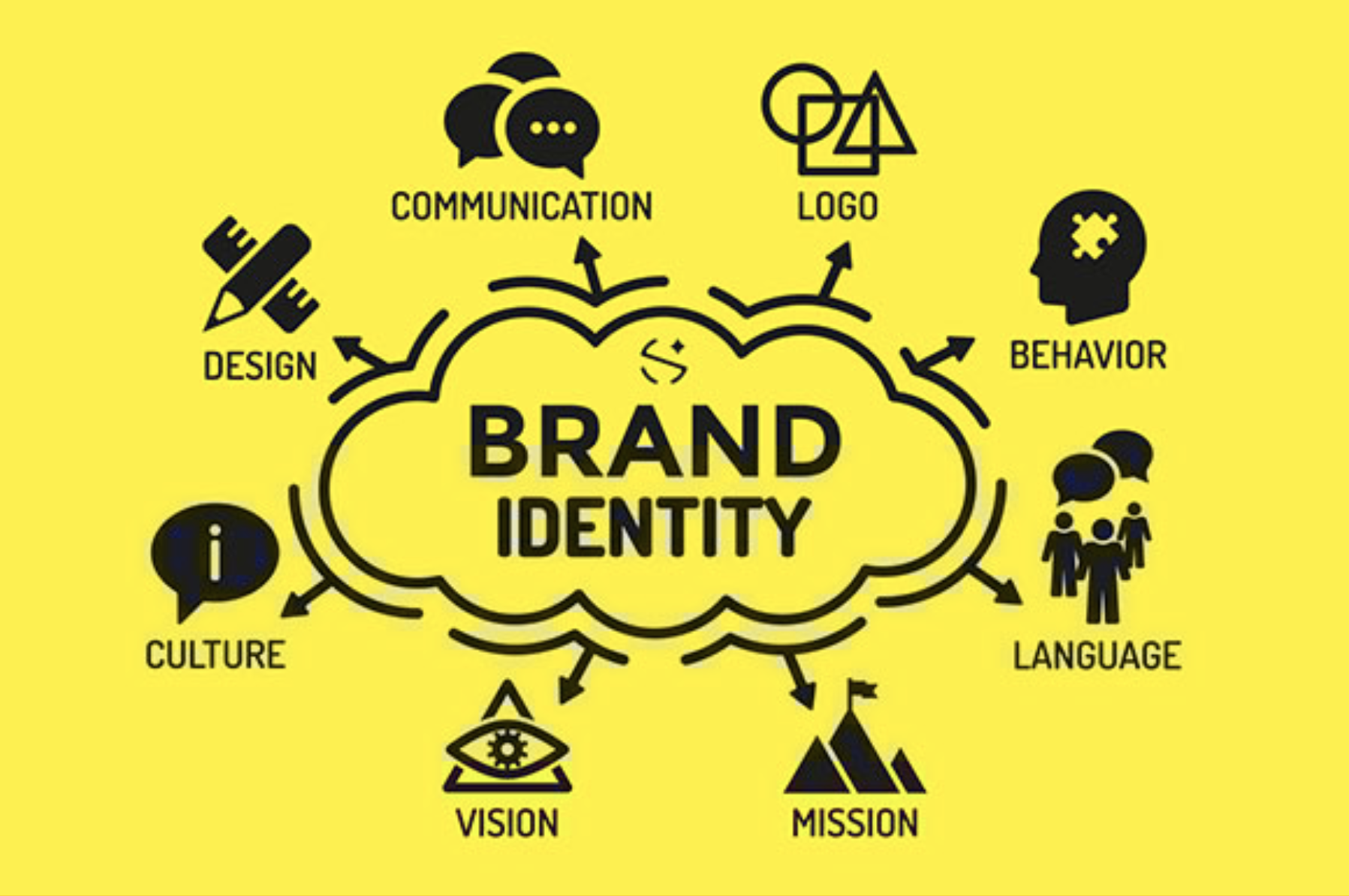
Brand foundation is the strategic framework that shapes every customer interaction. It includes the brand's messaging, visual identity, mission, vision, values, brand promise, personality, voice and tone. Together, these elements define what the brand stands for, how it communicates, and what customers should consistently expect from every touchpoint.
A strong foundation ensures the brand delivers a consistent experience across marketing, sales, customer service, product, and every other customer interaction.
Digital touchpoints
Digital touchpoints include:
Website (speed, design, content, navigation)
Mobile app (if applicable)
Social media presence (organic posts, responses to comments, tone in public conversations)
Email communications (frequency, personalization, visual design, voice consistency)
Digital advertising (creative quality, targeting relevance, landing page alignment with ad promise)
Customer experience
This includes everything from pre to purchase to post service purchase experience. It spans website experience, product experience, and service experience, essentially every stage a customer moves through once they're actively engaging with the business.
When brands claim to deliver a certain experience, it is important that they bridge the gap between customer experience (CX) and customer satisfaction (CS).
A positive customer service experience is characterized by:
- Fast response times
- Knowledgeable support representatives
- Clear and transparent communication
- Personalized assistance
- Proactive problem-solving
- Consistent service across channels
If we take B2B SaaS as an example, customer service extends beyond answering tickets. It includes technical implementation support, product guidance, troubleshooting, documentation, and ongoing customer education - all of which contribute to long-term trust.
Social proof
Proof of support is the evidence that validates a brand's promise through the experiences of real customers. This includes customer reviews, testimonials, case studies, user-generated content, analyst recognition, awards, influencer recommendations, and word-of-mouth referrals.
These signals reduce uncertainty for prospective customers by demonstrating that the brand consistently delivers on its promises. Positive social proof strengthens credibility and trust, while recurring negative feedback can quickly damage brand perception and influence purchasing decisions.
Brand experience vs. related concepts
How is brand experience measured?
Customer satisfaction score (CSAT)
Measures how satisfied customers are after a specific interaction, such as a purchase, customer support conversation, or onboarding process.
High CSAT scores generally indicate that customers are consistently having positive experiences with the brand.
Net promoter score (NPS)
Measures how likely customers are to recommend the brand to others.
Customers respond on a scale from 0 to 10 and are categorized as:
- Promoters (9-10)
- Passives (7-8)
- Detractors (0-6)
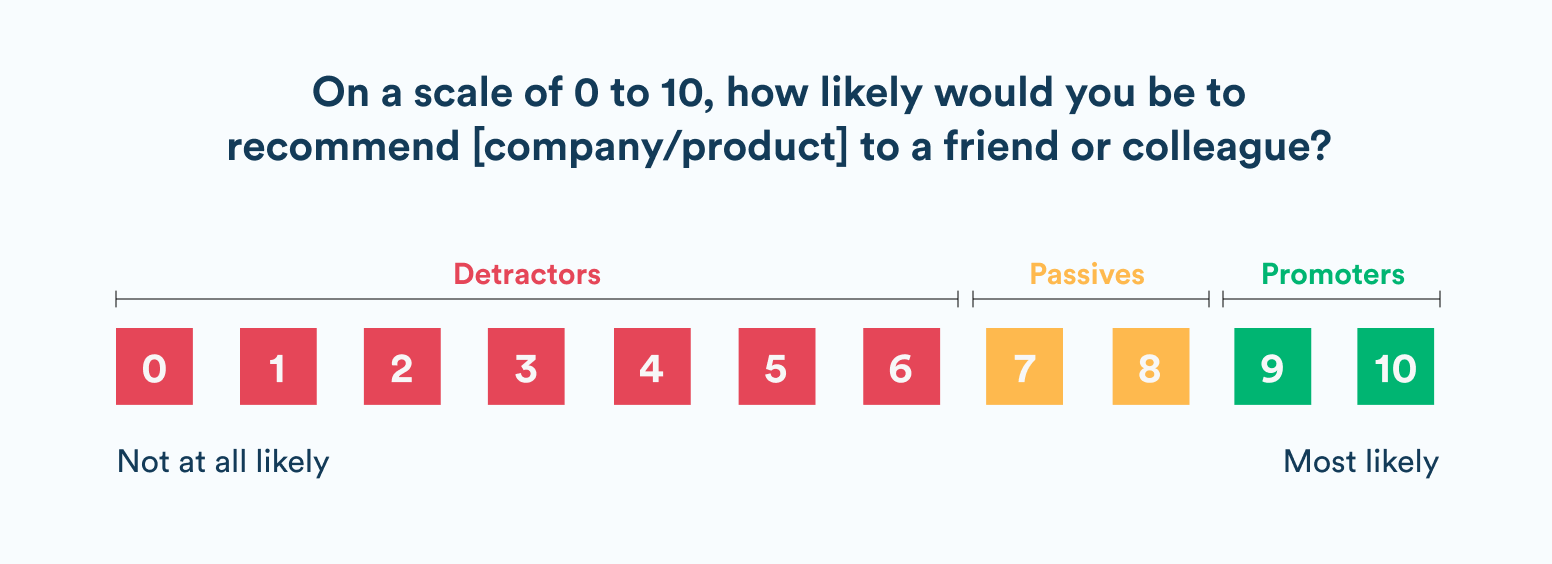
Since recommendations are closely tied to positive experiences, NPS is one of the strongest indicators of overall brand perception and customer loyalty.
Customer retention rate
Measures the percentage of customers who continue doing business with the company over a given period. Strong brand experiences encourage repeat purchases, renewals, and long-term relationships, leading to higher customer retention.
Customer lifetime value (CLV)
Measures the total revenue a customer generates throughout their relationship with the business. Positive brand experiences increase purchase frequency, customer loyalty, and expansion opportunities, resulting in higher lifetime value.
Customer churn rate
Measures the percentage of customers who stop buying from or subscribing to the business.
High churn often signals underlying experience problems such as:
- Poor onboarding
- Slow support
- Low product adoption
- Misaligned expectations
- Weak customer success programs
A consistently positive brand experience reduces dissatisfaction and lowers customer churn.
Brand sentiment
Measures how customers feel about the brand by analyzing online reviews, social media conversations, customer feedback, and survey responses. Positive sentiment indicates customers associate the brand with favorable experiences and emotions.
Brand awareness and recall
Brand experience also influences how well customers remember a business when thinking about a particular product category.
Organizations often measure awareness using:
- Branded search volume
- Direct website traffic
- Share of voice
- Social media mentions
- Survey-based brand recall
Growing awareness suggests that consistent experiences are strengthening the brand's presence in the market.
Review ratings and customer feedback
Customer reviews, ratings, testimonials, and qualitative feedback provide direct insight into how customers perceive their interactions with the brand.
Recurring themes in customer feedback often reveal:
- Strengths customers appreciate
- Pain points requiring attention
- Expectations that aren't being met
- Opportunities for innovation
Repeat purchase rate
Measures how frequently existing customers return to make additional purchases. A high repeat purchase rate is the sign of a positive experience that encourages customers to buy from the brand again instead of exploring competitors.
How CRM and AI improve brand experience
As businesses grow, delivering a consistent brand experience becomes increasingly difficult.
Customers interact through websites, emails, sales representatives, mobile apps, social media, live chat, webinars, support portals, and countless other channels. Without centralized information, every interaction risks becoming disconnected.
This is where Customer Relationship Management (CRM) platforms and Artificial Intelligence (AI) have become essential.
Rather than replacing human interactions, CRM and AI enable businesses to deliver more relevant, consistent, and personalized experiences at scale.
An AI-powered CRM like Superleap helps businesses achieve this by bringing customer data, sales activities, communication history, and workflow automation into a single platform.
With a centralized view of every customer, teams can:
- Personalize conversations based on previous interactions.
- Maintain consistent messaging across marketing, sales, and customer success.
- Automate repetitive tasks without sacrificing personalization.
- Identify customer needs through AI-powered insights.
- Strengthen long-term relationships through proactive engagement.
Examples of brand experience
Apple: Simplicity at every touchpoint
Apple's brand promise revolves around simplicity, innovation, and premium quality. What's remarkable is how consistently those values appear across every customer interaction.
Whether someone visits an Apple Store, browses the company's website, unboxes a new iPhone, or contacts customer support, the experience feels cohesive. Product packaging is intentionally minimalist, retail stores are designed to encourage exploration, software interfaces prioritize ease of use, and customer service focuses on solving problems with as little friction as possible.
Rather than relying solely on advertising to communicate its brand, Apple allows customers to experience its values firsthand.
The result is a brand that customers associate not just with technology, but with thoughtful design and ease of use.
American Express: Building trust through exceptional service
American Express has built its brand around trust, reliability, and premium customer service. Rather than competing solely on payment solutions, the company focuses on delivering a consistently high-quality experience throughout the customer journey.
Whether a customer is applying for a card, managing business expenses, redeeming rewards, or contacting customer support, every interaction is designed to be simple, responsive, and personalized. Features such as 24/7 customer support, fraud protection, travel assistance, purchase protection, and dedicated account management reinforce the brand's promise of providing dependable service beyond payments.
Instead of relying only on product features to differentiate itself, American Express creates loyalty by consistently delivering convenience, security, and personalized support at every touchpoint.
The result is a brand that customers associate not just with financial services, but with premium service, trust, and long-term customer relationships.








.jpg)

.jpg)




























%201%20(1).svg)
.svg)
.svg)
.svg)
.svg)